Ait Ben Haddou
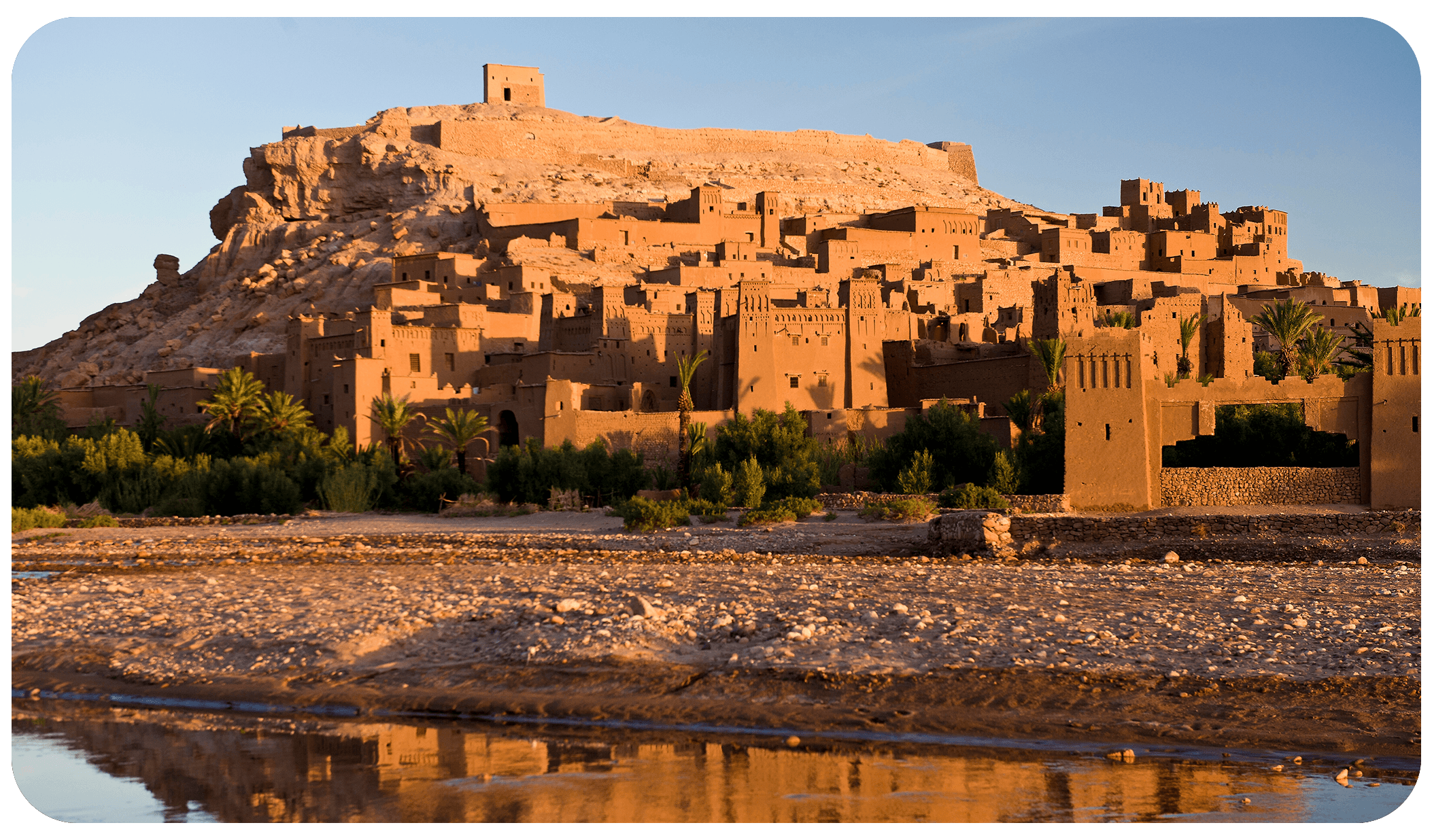
The Ksar of Ait Ben Haddou is one of Morocco’s most spectacular sights. This ancient fortified village, or ksar, is a striking example of southern Moroccan architecture and a UNESCO World Heritage site that transports visitors back to a time when camel caravans laden with gold, salt, and spices traversed the Sahara.
With its towering red clay walls, intricate crenellations, and maze-like alleyways, Ait Ben Haddou is more than just a historical monument – it is a living testament to the ingenuity of the Berber people. Whether you are a history lover, a film enthusiast, or a traveler in search of breathtaking landscapes, this earthen masterpiece offers a journey into the past that is both hauntingly beautiful and profoundly moving.
A Sentinel on the Caravan Route
The history of Ait Ben Haddou is deeply intertwined with the trans-Saharan trade routes that once connected Marrakech to the southern reaches of the desert and beyond to Timbuktu. Strategically positioned along the Ounila Valley, the ksar served as a vital stopover for merchants traveling between the Sudan and the imperial cities of Morocco.
For centuries, thousands of camels would pass through this region annually, bringing wealth and cultural exchange. The families who ruled Ait Ben Haddou grew rich by levying taxes on these caravans, funding the construction of the elaborate kasbahs (fortified houses) that still stand today. Although the trade routes faded with the arrival of modern transportation, the strategic importance and historical weight of the site remain palpable in every crumbling archway and sturdy tower.
Masterpiece of Earthen Architecture
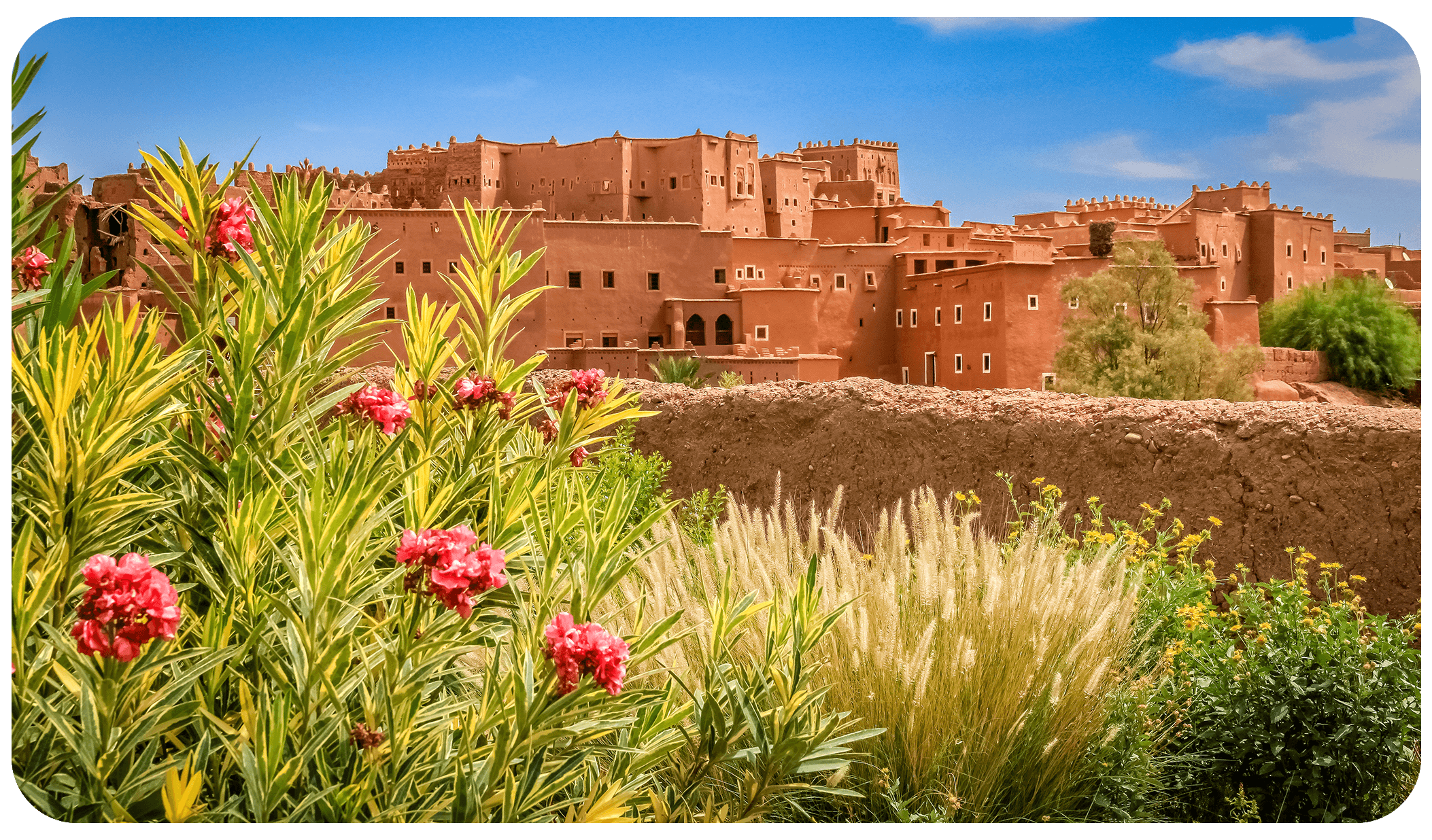
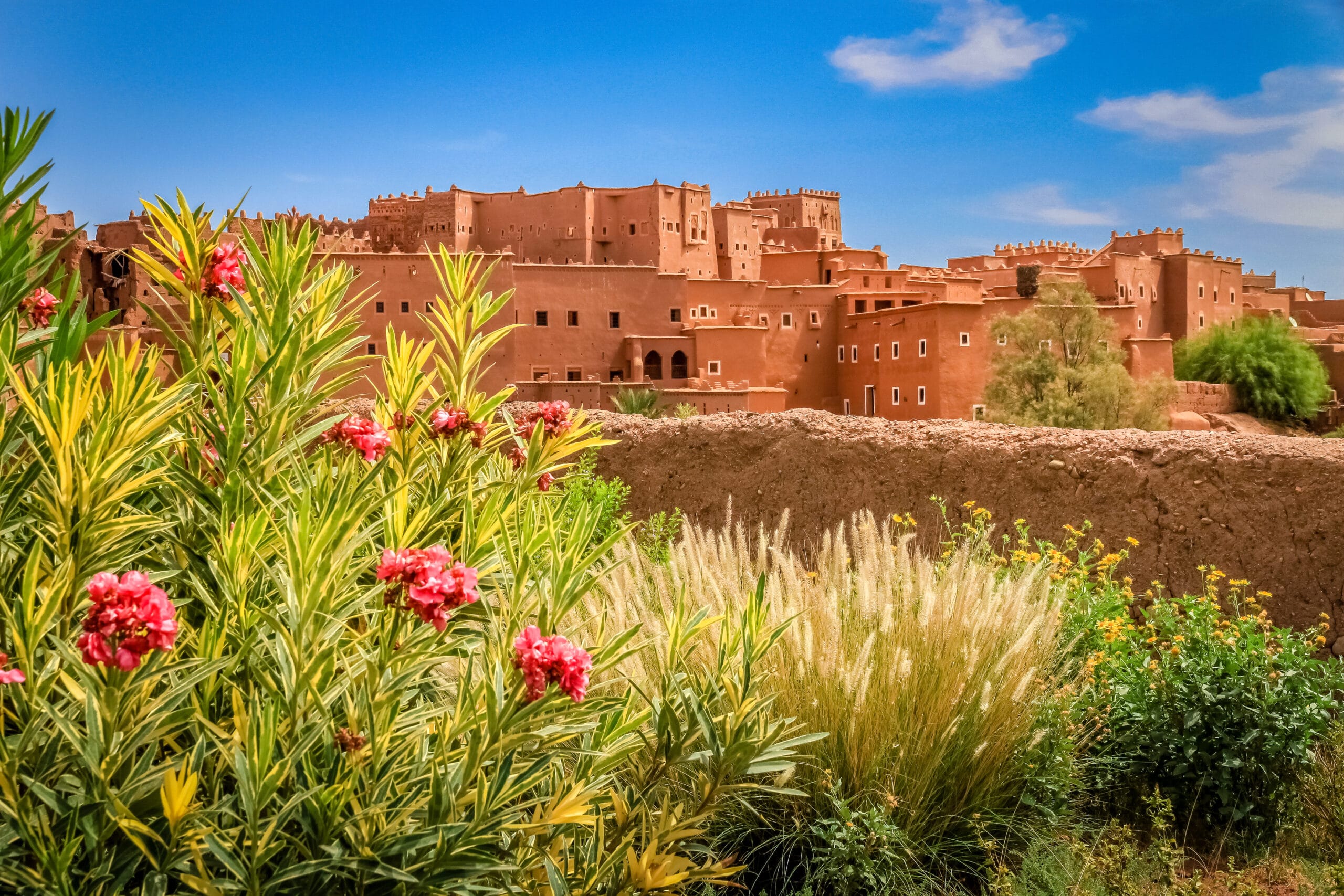
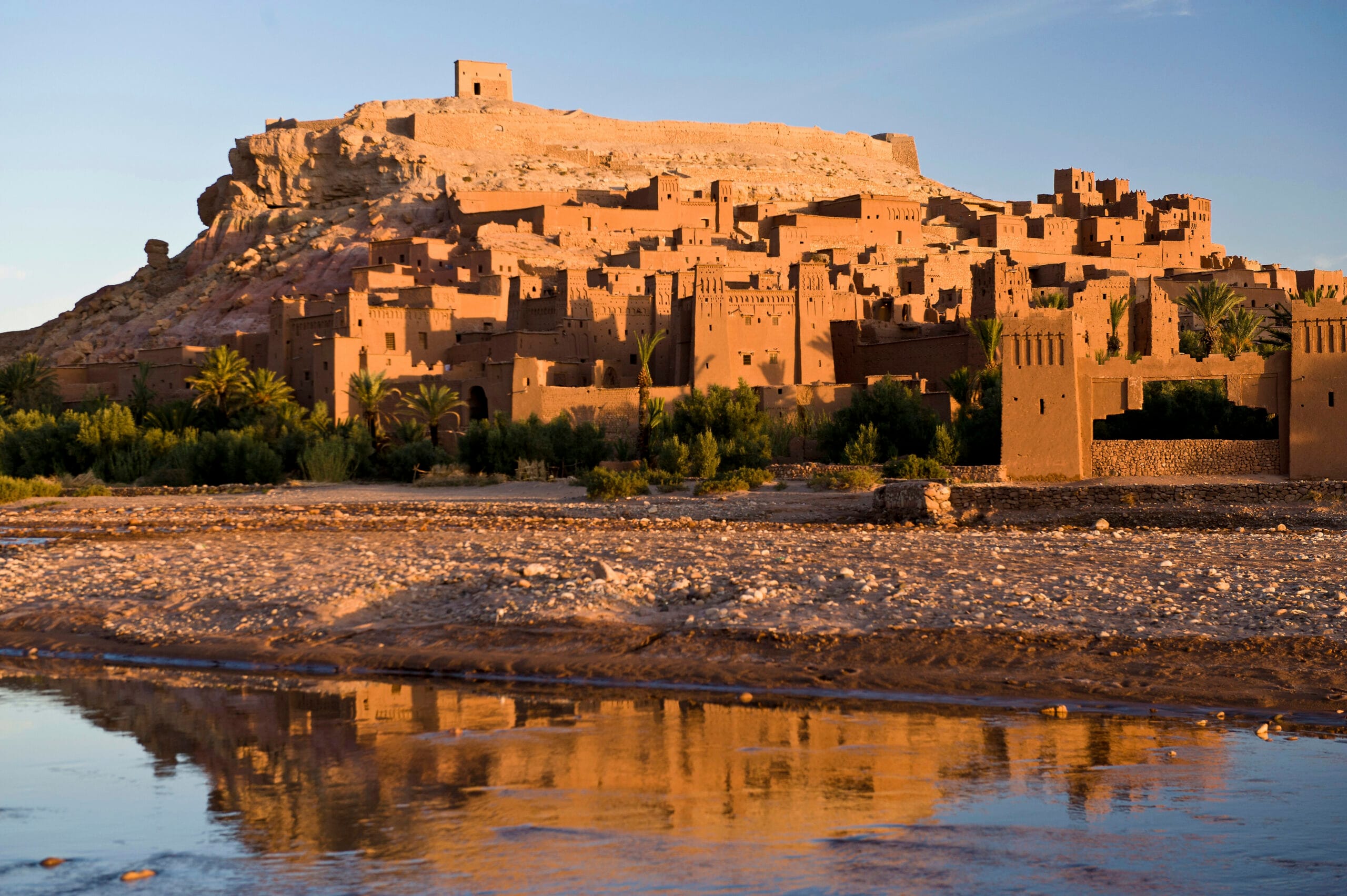
What makes Ait Ben Haddou truly unique is its construction. The entire village is built from rammed earth, clay bricks, and wood—materials harvested directly from the surrounding riverbanks and mountains. This harmonious relationship with the landscape gives the ksar its distinctive reddish-brown hue, allowing it to blend seamlessly into the arid hillside it occupies.
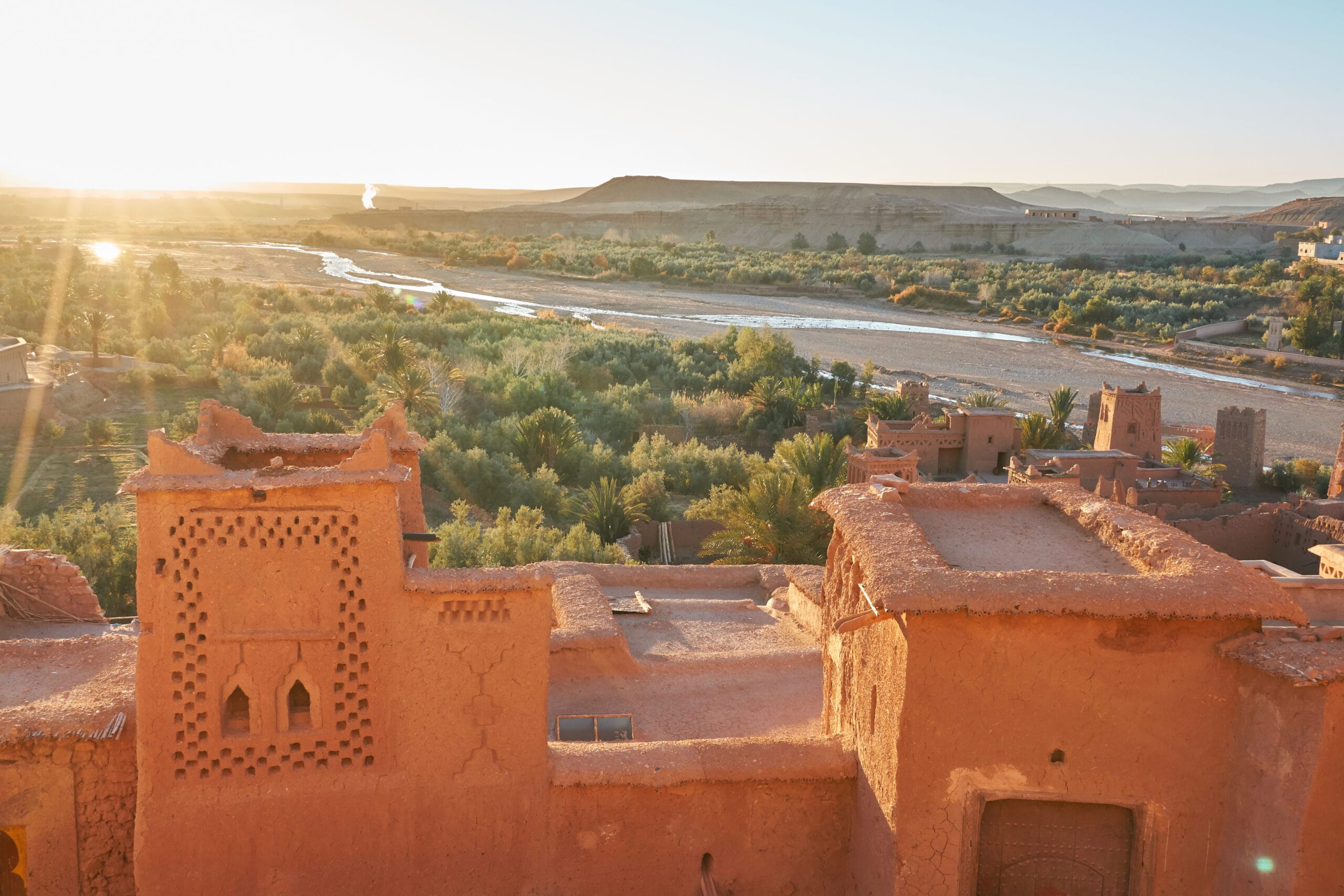
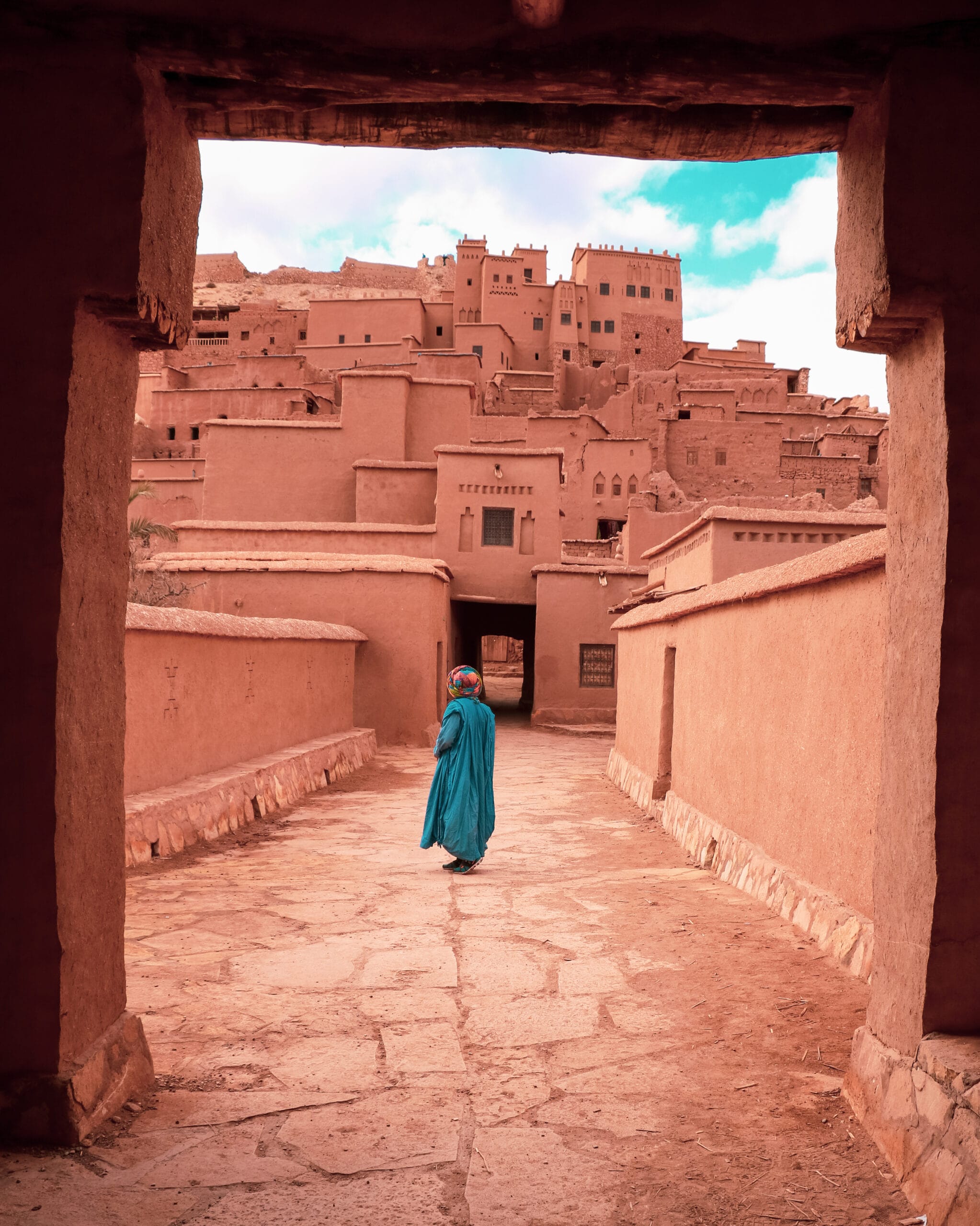
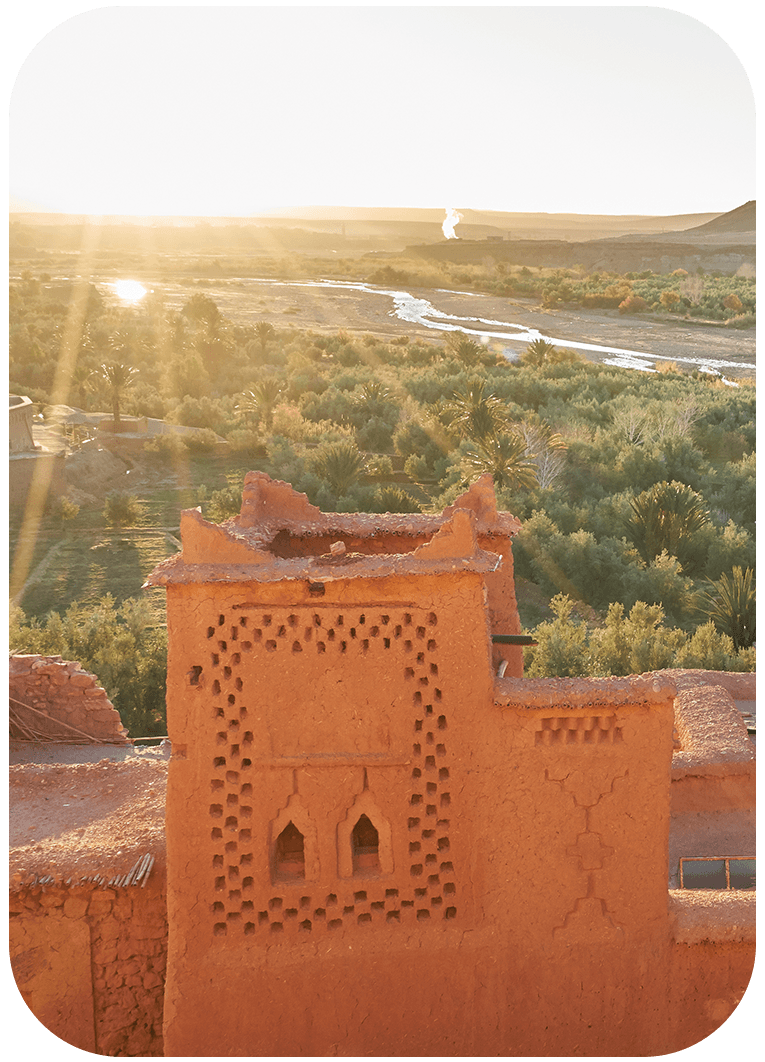
The village is a collective grouping of dwellings surrounded by high defensive walls reinforced by corner towers. Inside, the architecture ranges from simple, modest homes to towering kasbahs decorated with geometric motifs molded into the clay. These upper sections are often adorned with intricate patterns of lozenges and arches, showcasing the artistic flair of the builders. Despite the fragility of the materials, which require constant maintenance after rainstorms, the structure has survived for centuries. It stands as a powerful example of sustainable, climate-adapted architecture, with thick walls that keep the interiors cool in the scorching summer and warm during the freezing desert winters.
Hollywood’s Favorite Backdrop
If Ait Ben Haddou feels familiar, it is likely because you have seen it on the silver screen. Its dramatic, timeless appearance has made it a favorite location for international filmmakers for decades. The site offers a ready-made ancient city that can double for Jerusalem, ancient Rome, or a fantasy kingdom. Over the years, it has served as the backdrop for some of cinema’s most iconic productions, including:
Game of Thrones: The site represented the city of Yunkai in the hit fantasy series.
Gladiator: The arena scenes where Russell Crowe fights were filmed at the foot of the ksar.
Lawrence of Arabia: The sweeping desert epics found a perfect home here.
The Mummy: Its ancient streets added authenticity to the adventure classic.
Walking through the village, it is easy to see why directors are drawn here. The play of light and shadow on the clay walls creates a cinematic atmosphere that feels completely removed from the modern world.
Exploring the Ounila Valley
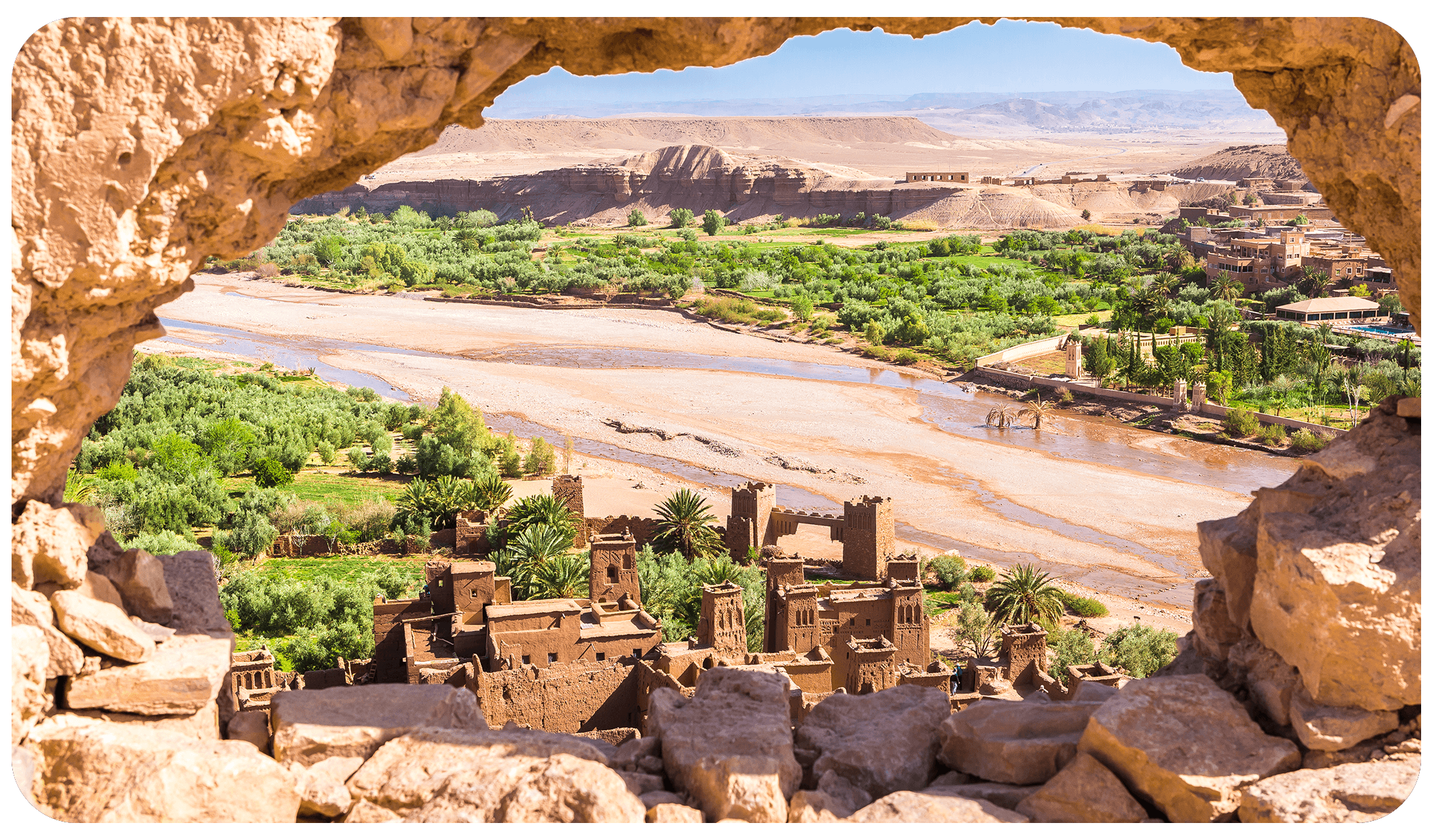
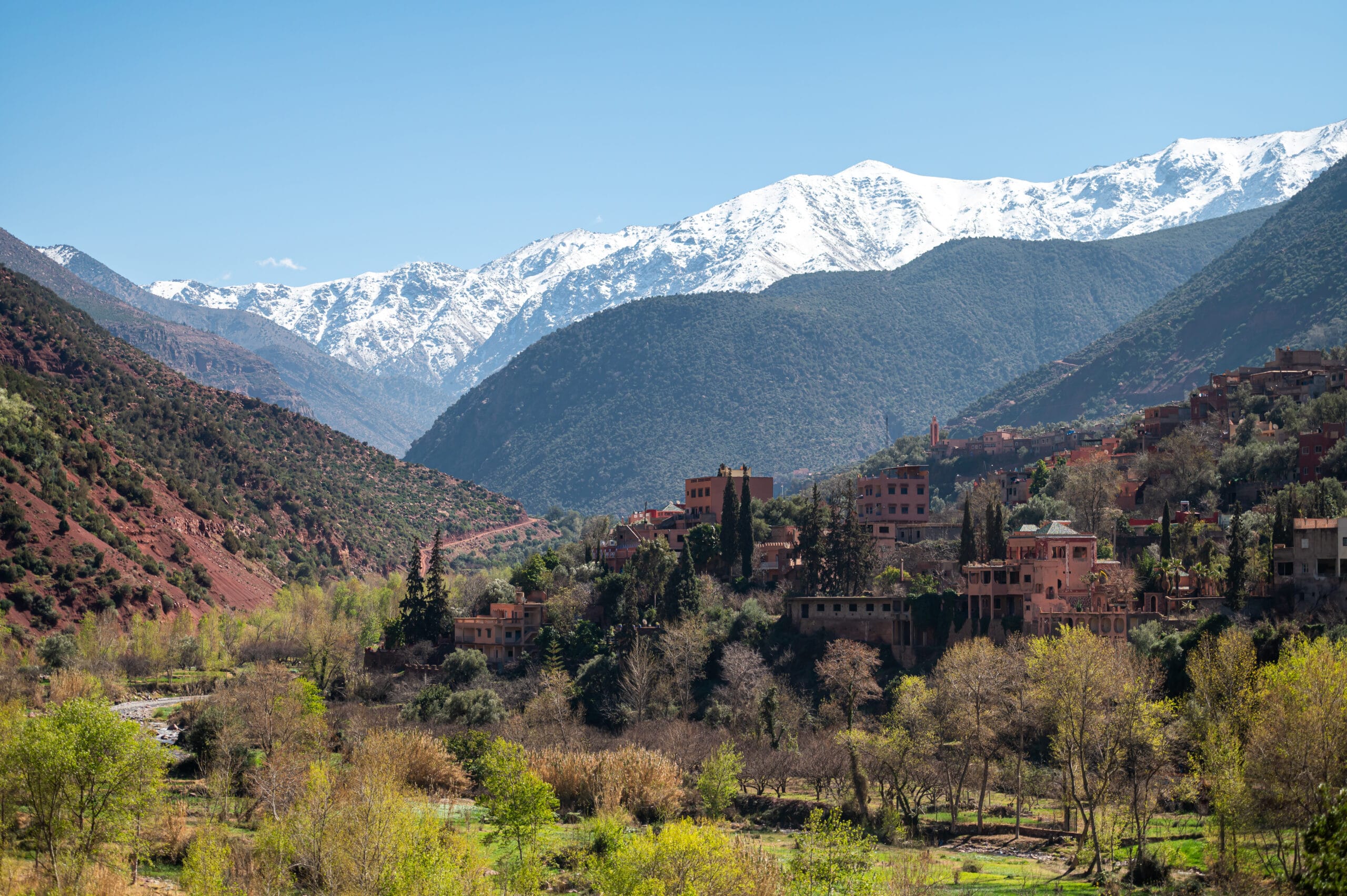
Ait Ben Haddou does not exist in isolation; it is the crown jewel of the Ounila Valley. This stunning region, often bypassed by travelers rushing to the Sahara, offers a landscape of stark contrasts. The valley follows the Ounila River, a ribbon of life that cuts through the arid rock.
The drive to the ksar, particularly the route from Telouet, is one of the most scenic in Morocco. The road winds through canyons of ochre and red rock, dotted with lush green gardens, almond trees, and crumbling kasbahs that cling to the cliff edges. It is a geology lesson in color and form, offering panoramic views that rival those of the Grand Canyon, but with the added layer of ancient human history.
The Visitor Experience
Visiting Ait Ben Haddou is an immersive experience. To reach the ksar, you typically cross the wide, shallow riverbed on stepping stones (or a new bridge), a simple act that feels like crossing a threshold into another era. Once inside the walls, the best way to explore is to simply get lost. The narrow, winding streets climb steadily upward, passing through shadowed tunnels and emerging into bright, sunlit squares. While many of the families have moved to the more modern village on the other side of the river, a few remain, keeping the spirit of the place alive. You will find small shops selling watercolors painted with saffron and tea, colorful carpets, and local handicrafts.
The Summit View
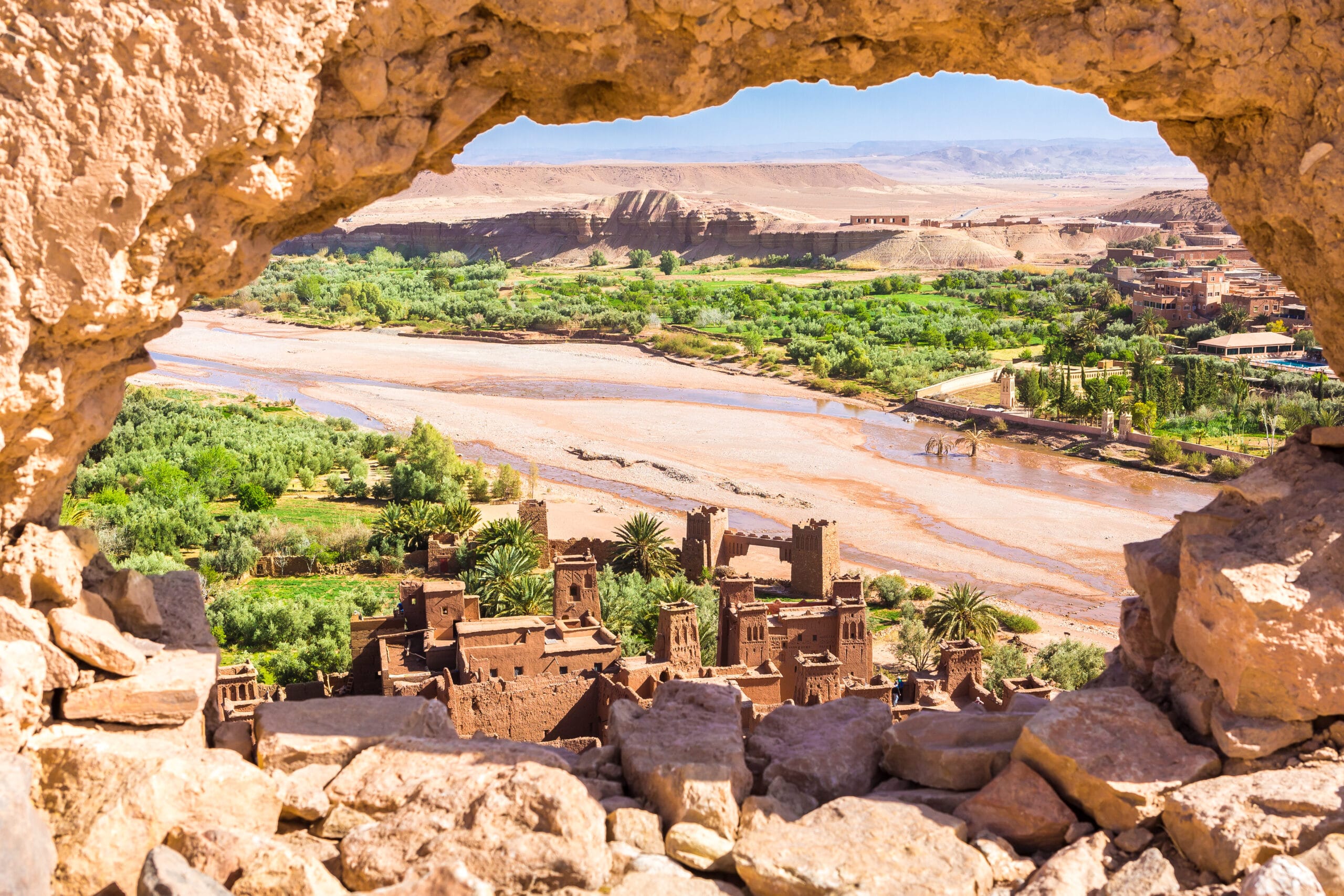
The climb to the top of the hill is essential. From this point, you are rewarded with a 360-degree view that is nothing short of majestic. To the north, the snow-capped peaks of the High Atlas Mountains pierce the sky. To the south, the stony desert stretches out toward the horizon. Below, the green palm groves of the river valley provide a vibrant contrast to the red earth of the ksar. It is a place of profound silence and beauty, perfect for reflection.
AT AÏT BEN HADDOU, HISTORY MEETS TIMELESS BEAUTY
Step into the heart of Morocco’s heritage at Aït Ben Haddou, a UNESCO World Heritage Site shaped by centuries of Berber craftsmanship. Explore its iconic earthen kasbahs and ancient pathways with insights from our Local Experts and Tailored Experiences. From panoramic viewpoints to cinematic settings, every moment is curated for authenticity and comfort. Rely on our Dedicated Team to handle all Logistics & Operations for an unforgettable cultural journey.
Send Request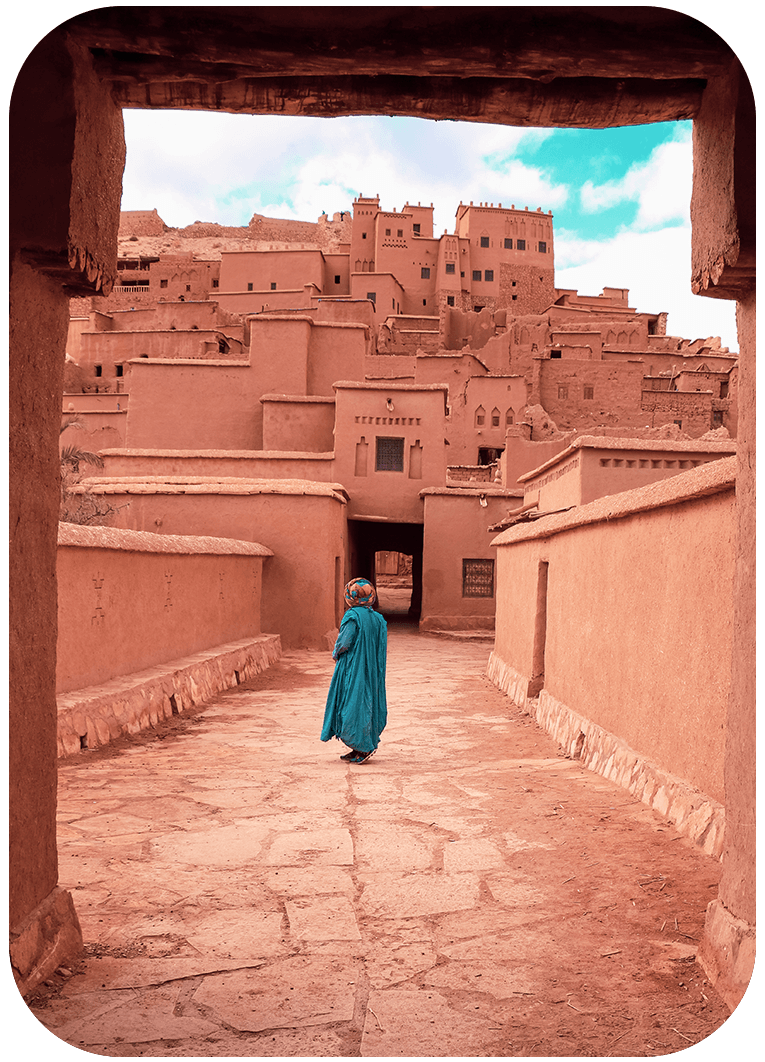

Why Morocco Is A Perfect Destination for Corporate Events and Incentive Travel
See More >
The Best Time to Visit Morocco: A Seasonal Guide
See More >
The Art of Moroccan Hospitality: What Makes It Unique?
See More >
Exploring Morocco Through Its Flavors: A Culinary Journey
See More >
The Magic of Moroccan Riads: Staying in Authentic Luxury
See More >
Sustainability in Moroccan Tourism: How to Travel Responsibly
See More >